
Community Law Training Programme 2026


The Community Law Training Programme is PBSG Academy’s flagship learning initiative designed to equip legal professionals and volunteers with the practical knowledge and skills needed to serve the community with confidence and competence.
Launching in July 2026, this comprehensive programme offers a curated series of modules spanning key areas of community law, from foundational principles to more complex, practice-based issues. Whether you are new to pro bono work or an experienced practitioner looking to deepen your expertise, the programme provides structured, relevant learning tailored to real-world needs.
Participants will learn from an exceptional faculty of experienced practitioners and subject matter experts. Each session is designed with a strong emphasis on practical application, ensuring that you can translate learning directly into effective client representation, especially for vulnerable and underserved communities.
Delivered in a convenient and accessible format, the programme allows you to select modules that best match your interests and professional development goals. Beyond knowledge-building, it is also an opportunity to be part of a community of like-minded professionals committed to advancing access to justice. Check out the modules tab to see the modules offered.
Join us in strengthening your capabilities, expanding your impact, and contributing meaningfully to the community through informed and empowered legal service.
This event is a LIFTED accredited activity for the following competency: Family (Intermediate).
More information available at: sal.org.sg/learn/lifted.
 Wednesday, 1 July 2026
- 5.00pm – 6.30pm
 Wednesday, 1 July 2026
 5.00pm – 6.30pm
Divorce matters often present at the community level before proceedings begin, when clients are navigating legal uncertainty alongside safety, financial and family concerns.
This module focuses on the early‑stage decision‑making required when advising clients on divorce in a community, pro bono or low‑bono setting. Through a practical, practitioner‑led approach, the session examines how to assess jurisdiction, identify suitable grounds for divorce, manage service and interim issues, and address broader client needs that commonly arise at intake.
The session also explores client management considerations specific to pro bono and low‑bono practice, including scope, expectations, and referral pathways, as well as how to recognise and respond to safety concerns and non‑legal support needs.
Designed for lawyers and practitioners assisting clients in family law matters, this module equips participants with a clearer framework for triaging divorce cases responsibly and effectively.
- Assess whether a client can — and should — commence divorce proceedings in Singapore
- Identify practical grounds for divorce that are suitable for community‑law clients
- Navigate common service challenges, including cases where a spouse cannot be located
- Recognise when interim applications may be urgent, including maintenance and child‑related orders
- Manage divorce matters in pro bono and low‑bono contexts, including intake, scope and client expectations
- Identify safety risks and determine when protective measures or referrals are necessary
- Navigate legal aid options, social support resources, and language‑related challenges in community practice

Lee Wei Liang
Community Law Advocate, Pro Bono SG
Lee Wei Liang
Community Law Advocate, Pro Bono SG

Darren Chan
Deputy Director, Legal Aid Bureau
Darren Chan
Deputy Director, Legal Aid Bureau

Jenny Lai
Proprietor, Jenny Lai & Co
Jenny Lai
Proprietor, Jenny Lai & Co

June Lim
Managing Director, Eden Law Corporation
June Lim
Managing Director, Eden Law Corporation
- Public CPD: 1.5 (inclusive of 0.5 MEC Point)
- Practice Area: Family
- Level: Foundation
- Wednesday, 8 July 2026
- 5.00pm – 6.30pm
Children issues are often the most sensitive and urgent aspect of divorce matters, particularly in community, pro bono and low‑bono settings where families may face safety concerns, cross‑border complexities, or sudden changes to care arrangements.
This seminar explores key aspects of arrest, custody, bail, and investigative procedures—highlighting recent case law, including Mah Kiat Seng v Attorney-General & ors [2023] SGHC 14.
This module focuses on the key legal and practical considerations when advising clients on child‑related issues arising from divorce, including cases involving relocation, transnational families, and potential child abduction or wrongful retention. Using a practitioner‑led and community‑law focused approach, this module equips participants to identify and manage children issues at an early stage, while keeping the child’s welfare at the centre of decision‑making.
- Identify common children issues arising in divorce matters
- Assess and advise on interim and urgent children‑related applications
- Navigate issues of care and control, access, and relocation
- Understand the additional challenges faced by transnational families involving foreign parents
- Recognise issues relating to child abduction or wrongful retention, including the relevance of the Hague Convention
- Identify safety concerns and understand when protective measures or referrals may be required
- Manage children issues responsibly in pro bono and low‑bono contexts

Foong Ke Hui
Community Law Advocate, Pro Bono SG
Foong Ke Hui
Community Law Advocate, Pro Bono SG

AnurdhaD/O Krishan Chand Sharma
Director, Winchester Law LLC
AnurdhaD/O Krishan Chand Sharma
Director, Winchester Law LLC

Dharma Jayaram
Director, Dharma Law LLC
Dharma Jayaram
Director, Dharma Law LLC

Rebecca Vathanasin
Director, Linea Law LLC
Rebecca Vathanasin
Director, Linea Law LLC
- Public CPD: 1.5 (inclusive of 0.5 MEC Point)
- Practice Area: Family
- Level: Foundation
- Wednesday, 15 July 2026
- 5.30pm – 7.00pm
Financial issues are often the most contentious and anxiety‑inducing aspect of divorce, particularly in community, pro bono and low‑bono matters where clients may have limited resources, incomplete information, or significant financial power imbalances.
This module focuses on the key legal and practical considerations when advising clients on financial matters arising from divorce, including division of assets and maintenance for spouses and children. Using a practitioner‑led and community‑law focused approach, this module equips participants to identify financial issues early, assess urgency, and advise clients realistically within the constraints commonly faced in community practice.
The session also examines issues specific to pro bono and low‑bono work, including challenges arising from low‑income households, single‑income families and transnational marriages.
- Identify common financial issues arising in divorce, including division of matrimonial assets and maintenance
- Understand the role of discovery and interrogatories, and the ethical duty of full and frank disclosure
- Navigate spousal maintenance issues, including cases involving a sole breadwinner
- Assess interim maintenance options, including when to proceed by MSS versus summons
- Identify and manage financial issues affecting children, including interim child maintenance
- Understand the challenges faced by transnational families, including cases involving trailing spouses and large disparities in financial resources
- Recognise issues specific to pro bono and low‑bono clients, including:
- Dual-income versus single-income family dynamics
- Absence of a matrimonial home for division
- Lack of CPF accounts for foreigners
- Living arrangements for low-income families, including rental housing
- Navigate potential bursaries, financial aid and other support available for children
- Identify common challenges faced by lawyers in pro bono cases at this stage and practical ways to address them

Kayshavani Kuppusamy
Community Law Advocate, Pro Bono SG
Kayshavani Kuppusamy
Community Law Advocate, Pro Bono SG

Dorothy Tan
Managing Director, DOT Chambers LLC
Dorothy Tan
Managing Director, DOT Chambers LLC

Gloria James-Civetta
Head lawyer, Gloria James-Civetta & Co
Gloria James-Civetta
Head lawyer, Gloria James-Civetta & Co
- Public CPD: 1.5 (inclusive of 0.5 MEC Point)
- Practice Area: Family
- Level: Foundation
- Wednesday, 22 July 2025
- 5.00pm – 6.30pm
Legal and practical issues often do not end when a divorce is finalised, particularly for community, pro bono and low‑bono clients who may continue to face financial, parenting or enforcement challenges after orders are made.
This module focuses on the key issues that arise after divorce proceedings, including appeals, variation of orders, enforcement challenges and post‑divorce support. Using a practitioner‑led and community‑law focused approach, this module equips participants to advise clients realistically on available post‑divorce options, assess feasibility in pro bono contexts, and identify appropriate next steps.
The session also examines enforcement and post‑divorce challenges faced by transnational families, including cases involving significant financial disparity, as well as the limits of legal intervention and the importance of non‑legal support.
- Assess the practicality of appeals for pro bono and low-bono clients.
- Identify when variation of orders may be appropriate and feasible.
- Understand common enforcement challenges, including cross-border and resource-imbalance issues.
- Recognise post-divorce issues faced by transnational families, including cases involving trailing spouses.
- Advise clients on available post-divorce legal and non-legal support options.
- Navigate counselling programmes and community resources, including Family Service Centres (FSCs).
- Identify common challenges faced by lawyers in pro bono cases at the post-divorce stage and practical ways to address them.

Goh Qian Hui
Assistant Director of Community Legal Services, Pro Bono SG
Goh Qian Hui
Assistant Director of Community Legal Services, Pro Bono SG

Aye Cheng Shone
Director, A C Shone & Co
Aye Cheng Shone
Director, A C Shone & Co

Dilys Chua
Senior Associate, CHP Law LLC
Dilys Chua
Senior Associate, CHP Law LLC

Sarah Soh
Head, FAM (Lakeside Family Services)
Sarah Soh
Head, FAM (Lakeside Family Services)
- Public CPD: 1.5 (inclusive of 0.5 MEC Point)
- Practice Area: Family
- Level: Foundation
- Wednesday, 29 July 2026
- 5.00pm – 6.30pm
Syariah divorce matters raise distinct legal and procedural issues, particularly in community, pro bono and low‑bono settings where clients may face language barriers, documentation challenges, or cross‑border complexities.
This module focuses on the key issues that arise when assisting clients in Syariah divorce proceedings, including marriages entered into overseas and the resulting need to understand foreign jurisdictions and collate documentation. This module also provides practical procedural guidance on proceedings in the Syariah Court, equipping participants with a clearer understanding of how such matters are navigated in practice.
- Understand the key features of Syariah divorce and how it differs from civil divorce.
- Navigate common procedures and applications in the Syariah Court.
- Identify issues arising from Syariah marriages entered into overseas.
- Manage documentation challenges involving foreign jurisdictions.
- Recognise language, cultural and access-to-justice issues in Syariah divorce matters.
- Manage Syariah divorce cases responsibly in pro bono and low-bono contexts.

Nur Shukrina
Community Law Fellow, Pro Bono SG
Nur Shukrina
Community Law Fellow, Pro Bono SG

Abdul Rahman Bin Mohd Hanipah
Managing Director, Abdul Rahman Law Corporation
Abdul Rahman Bin Mohd Hanipah
Managing Director, Abdul Rahman Law Corporation
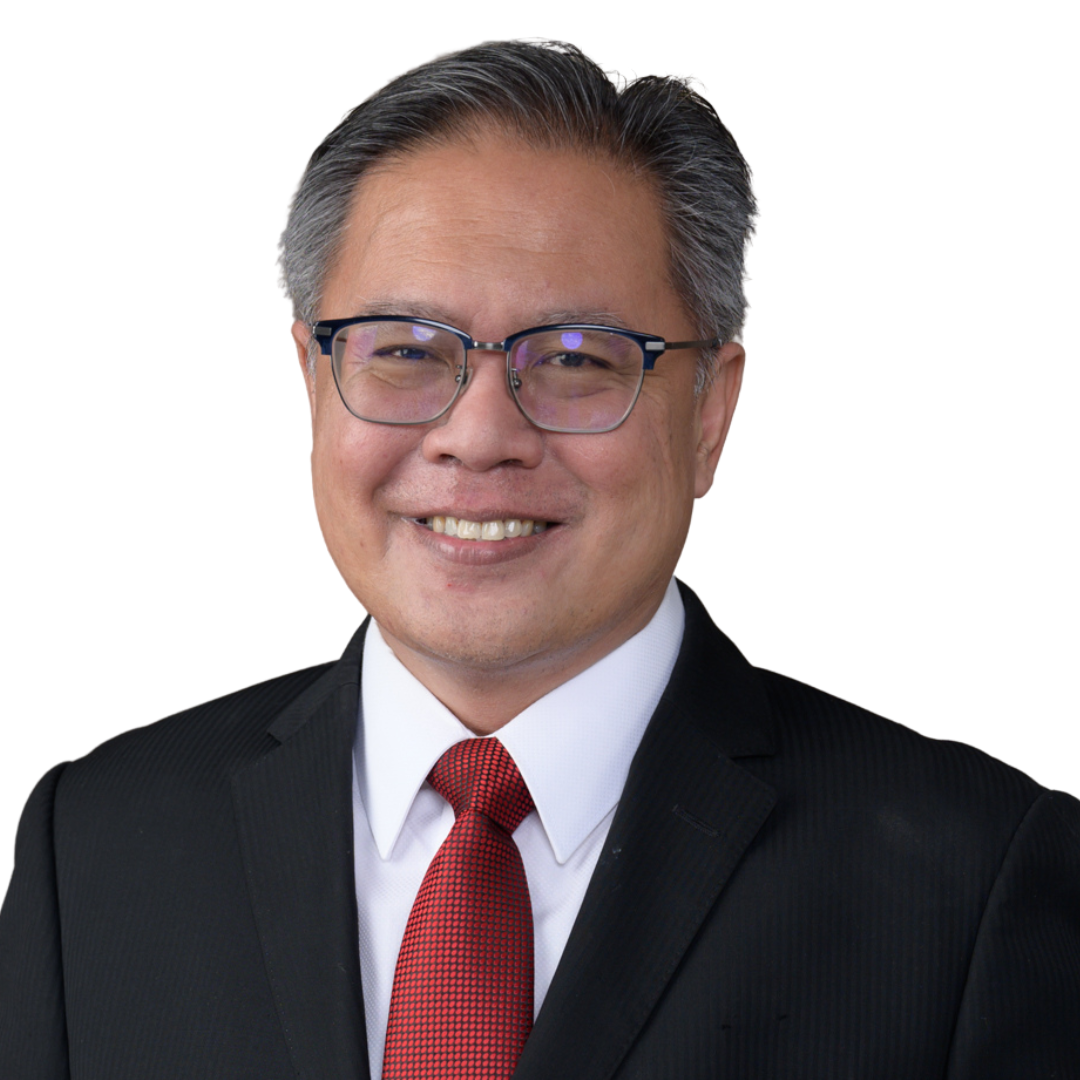
Ahmad Nizam Abbas
Managing Director, Crescent Law Chambers
Ahmad Nizam Abbas
Managing Director, Crescent Law Chambers

Mohammad Rizuan Bin Mohammad Yasin
Joint Managing Director, Emerald Law LLC
Mohammad Rizuan Bin Mohammad Yasin
Joint Managing Director, Emerald Law LLC
- Public CPD: 1.5 (inclusive of 0.5 MEC Point)
- Practice Area: Syariah Law
- Level: Foundation
- Wednesday, 5 August 2026
- 5.00pm – 6.30pm
Invisible disabilities can significantly affect how clients understand, engage with and participate in legal processes, particularly in community and family law matters where issues of capacity, communication and compliance often arise.
This module focuses on how lawyers and practitioners can better recognise and respond to invisible disabilities when assisting clients in community, pro bono and low‑bono settings. Adopting a practical and community‑law focused approach, the session explores how invisible disabilities may present in family and community law cases, and how inclusive, trauma‑informed practices can improve access to justice.
This session is designed for practitioners working in community legal clinics and family law matters involving vulnerable clients.
- Understand what invisible disabilities are and how they may present in community and family law cases.
- Recognise when a client’s condition may affect communication, decision-making or engagement with legal processes.
- Apply inclusive and trauma-informed approaches in client management.
- Understand the importance of appropriate referrals and cross-sector support.

Benedict Koh
Community Law Fellow, Pro Bono SG
Benedict Koh
Community Law Fellow, Pro Bono SG

Dr Chen Shiling
Director, Happee Hearts Movement
Dr Chen Shiling
Director, Happee Hearts Movement

Dr Derrick Yeo
Senior Consultant and Deputy Chief (Education), Department of Forensic Psychiatry, Institute of Mental Health
Dr Derrick Yeo
Senior Consultant and Deputy Chief (Education), Department of Forensic Psychiatry, Institute of Mental Health

Peggy Yee
Managing Director, PY Legal LLC
Peggy Yee
Managing Director, PY Legal LLC
- Public CPD: 1.5 (inclusive of 0.5 MEC Point)
- Practice Area: Family
- Level: Intermediate
- Wednesday, 12 August 2026
- 5.00pm – 6.30pm
Issues relating to mental capacity, wills and probate frequently arise in community and family law practice, particularly where clients are elderly, have special needs, or lack mental capacity due to cognitive or intellectual impairments.
This module focuses on the practical issues encountered when advising clients on mental capacity, estate planning and post‑death matters in community, pro bono and low‑bono settings. The session covers situations involving persons who lack mental capacity, including deputyship applications, as well as common challenges faced when managing wills and probate matters for vulnerable clients and families.
The module also explores practical approaches to estate administration in community settings, including proportionality concerns, the suitability of different legal pathways, and how practitioners can guide clients and families through available options responsibly.
This session is designed for lawyers and practitioners assisting clients in community legal clinics and family‑related matters involving mental capacity, wills or probate issues.
- Recognise mental capacity issues that may affect a client’s ability to give instructions.
- Understand common issues involving persons with special needs who lack mental capacity.
- Identify when a deputyship application may be required and the key considerations involved.
- Navigate wills and probate issues commonly encountered in community practice.
- Assess appropriate and proportionate options when advising on estate-related matters.
- Manage client and family expectations in pro bono and low-bono capacity-related cases.
- Identify appropriate referral pathways where legal intervention is not the sole solution.
Kayshavani Kuppusamy
Community Law Advocate, Pro Bono SG
Kayshavani Kuppusamy
Community Law Advocate, Pro Bono SG

Sarah-Mae Thomas
Managing Director, Sarah-Mae Thomas LLC
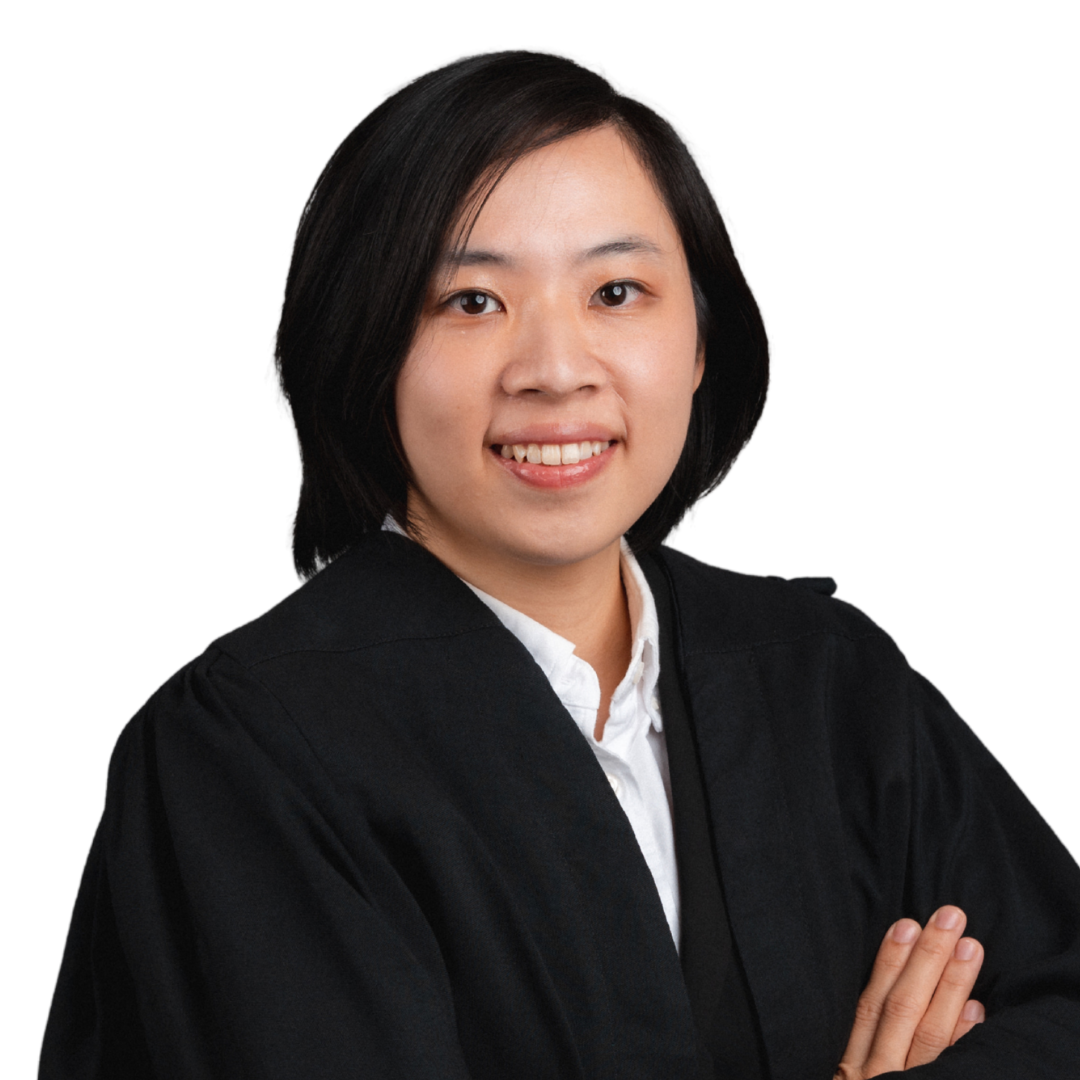
Low Seow Ling
Managing Director, Emre Legal LLC
Low Seow Ling
Managing Director, Emre Legal LLC
- Public CPD: 1.5 (inclusive of 0.5 MEC Point)
- Practice Area: Family
- Level: Intermediate
- Wednesday, 19 August 2026
- 5.00pm – 6.30pm
Child Protection Proceedings can be complex, urgent, and deeply impactful. Using a practical overview of how Care and Protection Order applications are handled in the Youth Court, and the role counsel can play in supporting families through the process.
Learn the key stages of proceedings, from first mention to social report hearings, family conferences, contested hearings, and appeals. Gain insight into common court orders, expectations of represented parties, and how legal assistance can help clients navigate emotionally charged situations with clarity and confidence.
Foong Ke Hui
Community Law Advocate, Pro Bono SG
Foong Ke Hui
Community Law Advocate, Pro Bono SG
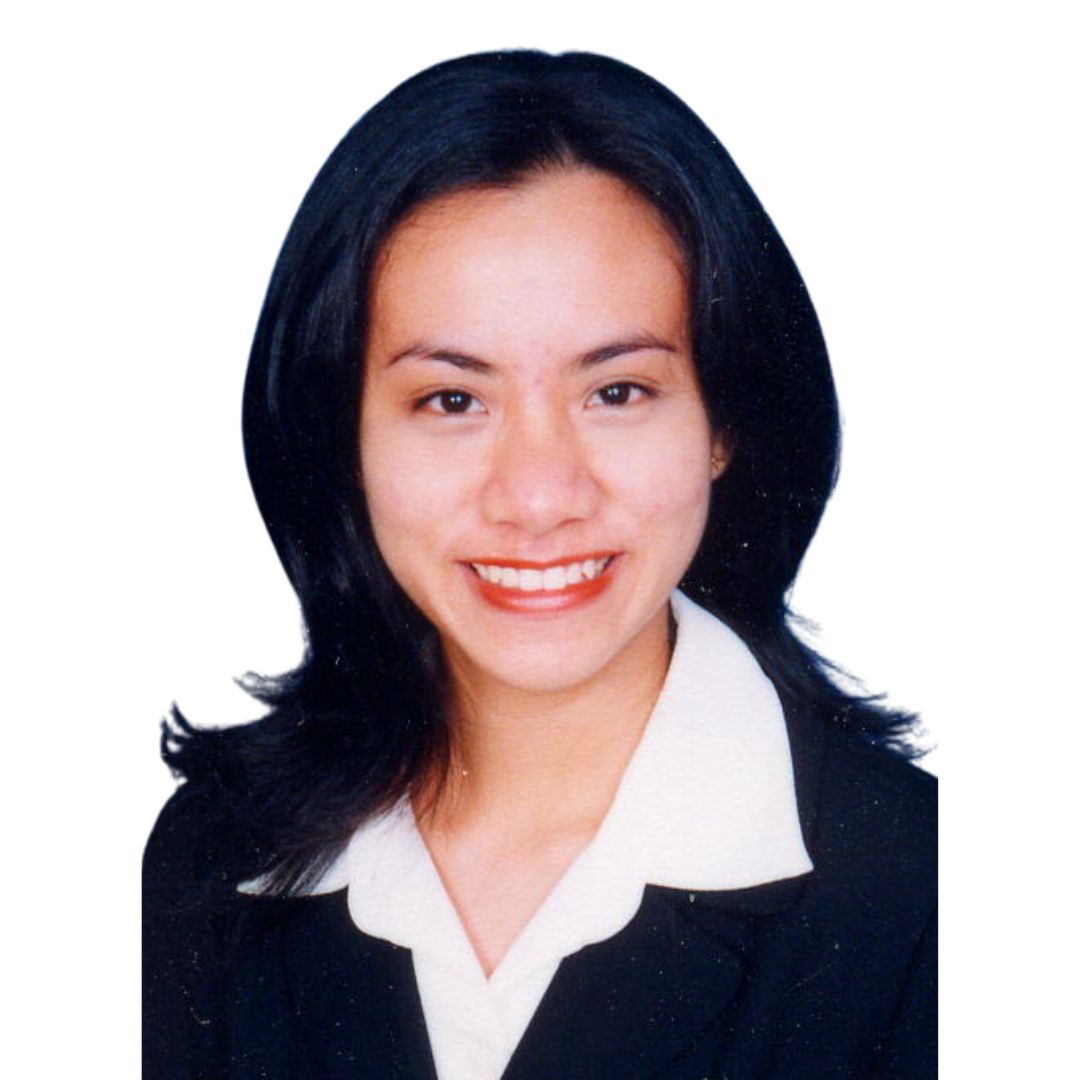
Amy Tung
Judicial Head, Youth Court, Family Justice Courts
Amy Tung
Judicial Head, Youth Court, Family Justice Courts

Rathidevi Balakrishnan
Senior Assistant Director, MSF Protective Services
Rathidevi Balakrishnan
Senior Assistant Director, MSF Protective Services

Mohamed Fazal Bin Abd Hamid
Partner, IRB Law LLP
Mohamed Fazal Bin Abd Hamid
Partner, IRB Law LLP
- Public CPD: 1.5 (inclusive of 0.5 MEC Point)
- Practice Area: Family
- Level: Intermediate
- Wednesday, 26 August 2026
- 5.00pm – 6.30pm
Adoption and guardianship matters often arise in complex family and caregiving situations, particularly in community and pro bono settings where children may be cared for informally, family arrangements are unstable, or caregivers face housing and immigration challenges.
This module focuses on practical issues in adoption and guardianship matters encountered in community and family law practice, including the scope of the court’s wardship jurisdiction. Adopting a community‑law focused approach, the session examines when guardianship may be sought as a practical solution, including situations where caregivers require legal status to access housing or other forms of support.
The module also addresses the difficulties faced in applications involving foreign caregivers or children, including cases where clients have no stable immigration status in Singapore, and how these factors may affect strategy, expectations and outcomes.
This session is designed for lawyers and practitioners assisting clients in community legal clinics and family law matters involving children and caregiving arrangements.
- Understand the difference between adoption, guardianship and wardship.
- Identify when guardianship may be an appropriate alternative to adoption.
- Understand the role of wardship and when the court’s supervisory jurisdiction may be engaged.
- Recognise practical considerations in guardianship applications, including access to public housing and services.
- Navigate challenges in cases involving foreign clients or uncertain immigration status.
- Manage client expectations and risks in pro bono and low-bono adoption or guardianship matters.
Lee Wei Liang
Community Law Advocate, Pro Bono SG
Lee Wei Liang
Community Law Advocate, Pro Bono SG

Mandy Lee
Manager (Family Division), Lutheran Community Care Services
Mandy Lee
Manager (Family Division), Lutheran Community Care Services

Rajan Chettiar
Managing Director, Rajan Chettiar LLC
Rajan Chettiar
Managing Director, Rajan Chettiar LLC

Shaun Ho
Special Counsel, Withers KhattarWong
Shaun Ho
Special Counsel, Withers KhattarWong
- Public CPD: 1.5 (inclusive of 0.5 MEC Point)
- Practice Area: Famly
- Level: Intermediate
- Wednesday, 2 September 2026
- 5.00pm – 6.30pm
Family violence matters often arise in urgent and high‑risk circumstances, particularly in community, pro bono and low‑bono settings where clients may be unrepresented, traumatised, or fearful of engaging with formal legal processes.
This module focuses on the practical handling of family violence cases, including applications for Personal Protection Orders (PPOs) and the use of remedies under the Protection from Harassment Act (POHA) where appropriate. Adopting a community‑law focused approach, the session examines how to assess risk, advise clients on available protection, and prepare cases responsibly in time‑sensitive situations.
The session also covers evidentiary and advocacy considerations, including gathering and presenting evidence, managing contested hearings, and practical trial techniques commonly encountered in family violence matters.
This session is designed for lawyers and practitioners assisting clients in community legal clinics and family law matters involving family violence or harassment.
- Understand the scope and application of PPOs under the Women’s Charter and remedies under POHA.
- Identify when PPOs, POHA orders, or both may be appropriate.
- Assess urgency and advise on interim protection measures.
- Gather and organise evidence commonly relied on in family violence cases.
- Manage contested hearings and apply practical trial techniques.
- Navigate the challenges of representing vulnerable clients in pro bono and low-bono family violence matters.

Charmaine Tham
Community Law Fellow, Pro Bono SG
Charmaine Tham
Community Law Fellow, Pro Bono SG

Chloé Vialard
Lawyer & Volunteer, Singapore France Support Centre
Chloé Vialard
Lawyer & Volunteer, Singapore France Support Centre

Mardiana Mohd Amizan
Senior Social Worker, South Central Community Family Service Centre
Mardiana Mohd Amizan
Senior Social Worker, South Central Community Family Service Centre

Sofia Bennita D/O Mohamed Bakhash
Director, Pheonix Law Corporation
Sofia Bennita D/O Mohamed Bakhash
Director, Pheonix Law Corporation
- Public CPD: 1.5 (inclusive of 0.5 MEC Point)
- Practice Area: Family
- Level: Intermediate
Registration
Important Information
SILE Requirements
Participants who wish to obtain CPD Points are reminded that they must comply strictly with the Attendance Policy set out in the CPD Guidelines.
For this activity, this includes logging in at the start of the webinar and logging out at the conclusion of the webinar on each day of the activity, and not being away from any part of the webinar for more than 15 minutes on each day of the activity.
Participants may obtain 1.5 Public CPD Points for each day of the event on which they comply strictly with the Attendance Policy. Participants who do not comply with the Attendance Policy will not be able to obtain CPD Points for attending the activity.
Please refer to http://www.sileCPDcentre.sgfor more information.